


 Windy.
 WeChat
 WhatsApp
Windy.
WeChat
WhatsApp
Click:223 seen
The mini foldable stove redefines outdoor camping cooking, meeting the needs of outdoor enthusiasts. Last month, Liam O'Connor, an avid hiker, went
on a three-day wilderness adventure in the Scottish Highlands without just carrying freeze-dried oatmeal and energy bars. He hid a palm-sized, orange-
red, stainless steel stove in the side pocket of his backpack. This stove allowed him to cook wild mushroom soup at an altitude of 1,200 meters, fry salmon
over a lightweight flame, and fold down to a small enough size to fit next to a water bottle when not in use. O'Connor said, "This is not just some equipment;
it's the key difference between a successful and enjoyable trip."
In North America, Europe, and Oceania, a new generation of outdoor enthusiasts is ditching bulky camping stoves in favor of the "Micro Flame" foldable
stove - a compact, 323-gram cooking tool that has become a hit for the 2025 camping season. It caters to through-hikers, car campers, and festival-goers,
averaging a 4.9/5 rating on outdoor retail websites. REI reports a 400% increase in sales in the fourth quarter of 2025, and it's a must-have for the 2026
spring outdoor season.
For a group that values "lightweight travel and nutritious meals," this "Micro Flame" stove is perfect. Its foldable stainless steel pot (adjustable in size to
fit pots up to 10 inches in diameter) can be securely fixed in 10 seconds, and its compatibility with butane gas canisters (suitable for 90% of camping
fuel brands worldwide) eliminates the inconvenience of regional fuel shortages. "Last summer, I took it to a music festival in Portugal," said Spanish
camper Marisa Torres. "We used it to cook paella in the campsite - no more cold sandwiches. And when the event started, I folded it up and put it in
my waist bag."
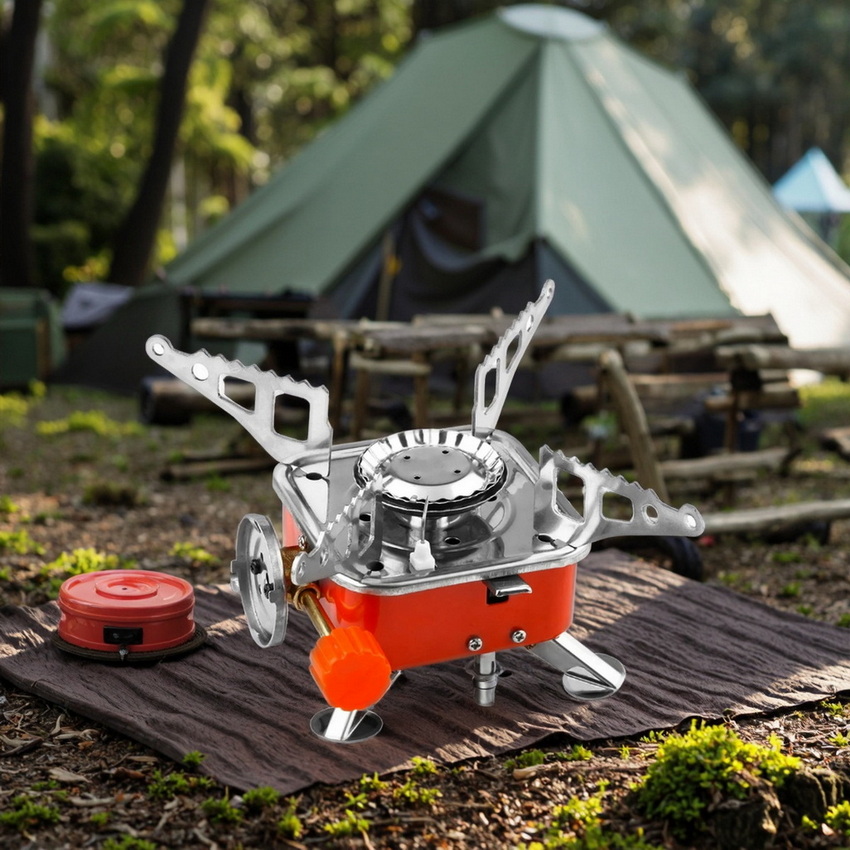
But the stove's appeal goes beyond portability. Its windproof burner head (tested to withstand winds of up to 25 miles per hour, a common challenge for
outdoor cooks) maintains a stable 2,800-watt flame - boiling 500 milliliters of water in 3 minutes even at 3,000 meters altitude. For climbers like Clara
Bennett, who climbed the Matterhorn last autumn, this reliability is essential: "At 4,000 meters, your hands freeze - you don't want to wait 10 minutes
for a hot tea. This stove lit up the first time, even in the snow."
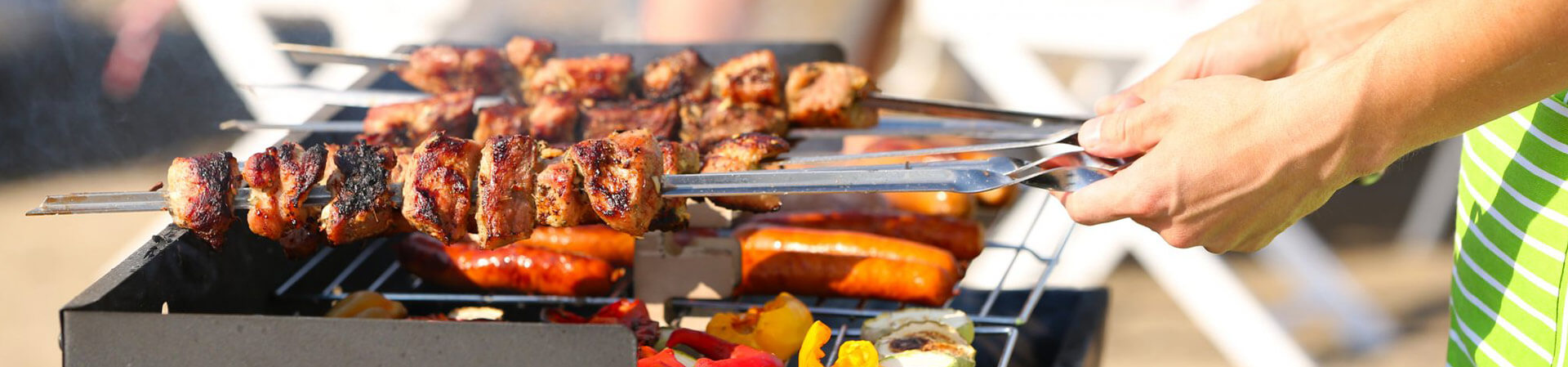
Outdoor chefs are particularly fond of its versatility. In Colorado, hiker and food blogger Maya Carter used it to make sous vide steak (with a portable
immersion circulator) and roast asparagus during multi-day hikes. "I posted a video of me making pasta sauce in the Rocky Mountains, and it went
viral - people couldn't believe I could do this with a stove that fits in my palm," she said. "It's no longer just for 'camping food'; it can be used for real
cooking wherever you are."
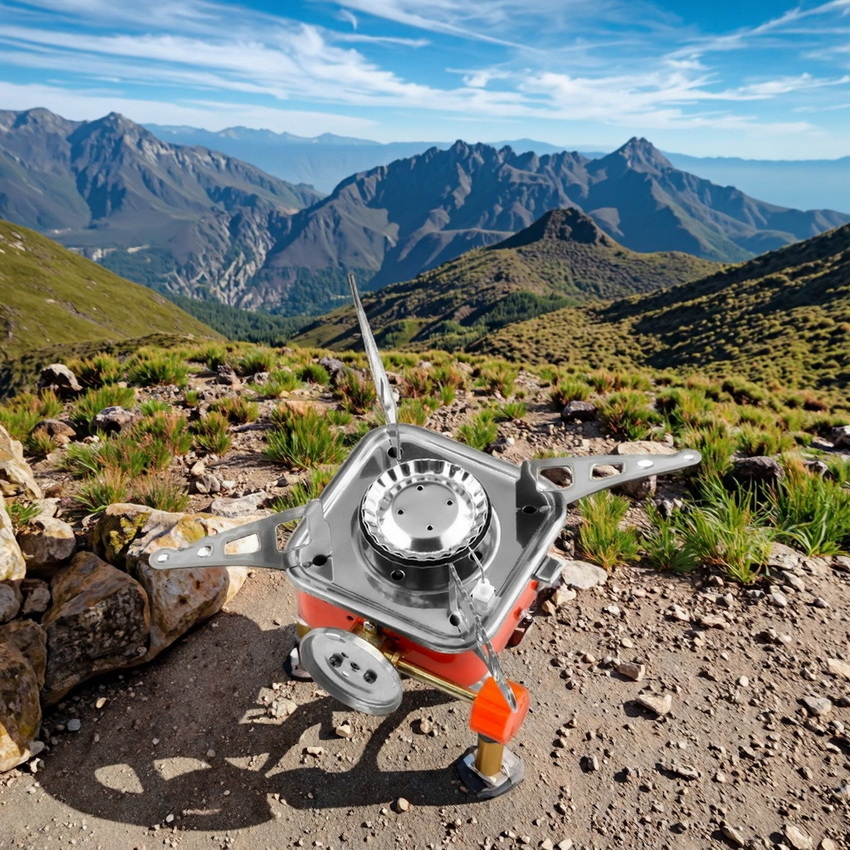
The design of the Micro Flame stove also addresses long-standing pain points in camping equipment. Its detachable drip tray collects grease and food
scraps (crucial for the "leave no trace" principle), and heat-resistant handles allow users to adjust the flame without gloves. For car campers like Jack
Miller in California, who hosts monthly "backyard camping" events for his children, it's an added safety feature: "My 8-year-old can help light it under
supervision – the flame is contained and the base stays stable on uneven ground," he says. Retail analysts attribute its global success to the shift in
the outdoor culture's "experience economy": 62% of 2025 outdoor gear buyers told Adventure Lifestyle Magazine that they prioritize products that
"enhance the enjoyment experience" rather than just meeting basic needs. Its friendliness to casual campers and budget travelers has also expanded
its reach, with restocking at major outdoor retailers selling out within days. As O'Connor said while packing up the stove after a highland hike: "Outdoor
enthusiasts not only want gear that works – they want gear that enhances the travel experience. This stove allows me to enjoy hot home-cooked meals
in the wild. It's not a luxury – it's the future of camping."


YJ GIS Industrial Limited

Windy.

+ 86-13751611669


R-403, Block 14,Lakeside Villa, XinJiang Bei Rd, YangJiang, GuangDong, China. 529500

 + 86-13751611669
 + 86-13751611669
 windy.zhong
 windy@goldinsea.cn
